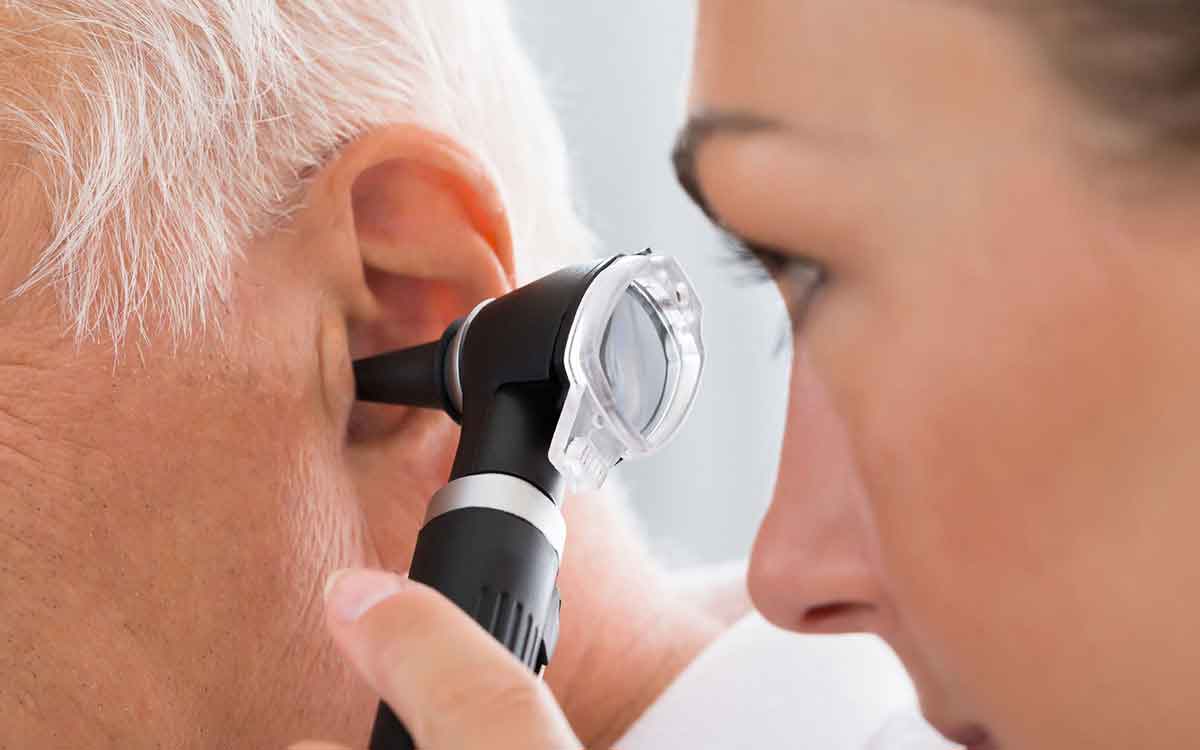
The gradual nature of hearing loss often causes early-stage indicators to be dismissed. Subconscious adjustments, such as turning up the television or requesting verbal repeats, often mask the early progression of hearing loss.
Prioritizing an initial evaluation can assist in optimizing daily communication.
Frequent Indicators of Initial Auditory Decline
Should you encounter any of these indicators, consider arranging a professional hearing assessment to determine your status.
- Impaired speech discrimination during dialogue in loud or crowded environments.
- Frequently requesting others to clarify their statements.
- Muffled or blurred vocalizations, making it difficult to distinguish specific sounds.
- Requiring increased decibel settings for electronic devices than is typical.
- Trouble perceiving high-frequency audio, such as children’s voices, birds, or doorbells.
- Persistent ear ringing or humming associated with tinnitus.
- Feeling mentally exhausted after conversations, due to the strain of auditory processing.
- Isolating from group interactions since following speech feels taxing.
These early signs of hearing loss can affect either ear and can be intermittent at first. Since the auditory cortex adjusts to input shifts, subconscious adjustments often go unnoticed until clinical hearing loss is substantial.
Hearing Loss By The Numbers
The World Health Organization estimates that hearing rehabilitation requirements will impact 700 million people by 2050. Other significant statistics involve:
- By 2050, nearly 2.5 billion people are expected to experience some degree of hearing loss.
- More than five percent of the global community (roughly 430 million people) requires clinical support to manage significant hearing loss.
- In excess of 1 billion young adults face the threat of permanent hearing loss due to unsafe listening practices.
- Among those aged 60 and older, over 25% have disabling hearing loss.
Why Timely Auditory Assessment Matters
If left unaddressed, hearing loss may affect multiple dimensions of your health outside of auditory function.
Clinical research connects hearing loss with higher incidences of withdrawal, depression, cognitive decline, and balance issues.
Early intervention provides better long-term prognosis and diverse therapeutic options.
A professional assessment clarifies if hearing fluctuations are caused by aging, earwax impaction, or different medical factors.
Occasionally, hearing shifts are temporary and can be effectively addressed.
Alternatively, early use of hearing aid technology or protective strategies can slow progression.
Guidelines for Consulting an Audiologist
A professional screening is recommended if you experience the following:
- Auditory symptoms remain present for a duration exceeding several weeks.
- Auditory challenges disrupt occupational performance and social life.
- Instances of sudden decline, dizziness, or persistent ringing require urgent clinical attention.
Hearing evaluations are noninvasive and supply valuable information about your ear health.
Please contact our audiology team if you are interested in scheduling a baseline hearing evaluation.
Frequently Asked Questions: Recognizing Auditory Decline
Q: Are all auditory changes linked to getting older?
A: No. While age-related hearing loss is common, hearing changes can also result from noise exposure, medications, infections, genetics, or underlying medical conditions.
Question: Is it possible to restore lost hearing?
Answer: Specific causes, including earwax blockage, may be susceptible to reversal through treatment. Other types are permanent but can often be effectively managed with treatment or hearing devices.
Question: How frequently should an individual undergo a hearing test?
Answer: Clinical guidelines suggest a baseline evaluation by the age of 50, or earlier if symptoms of hearing loss are noticed.