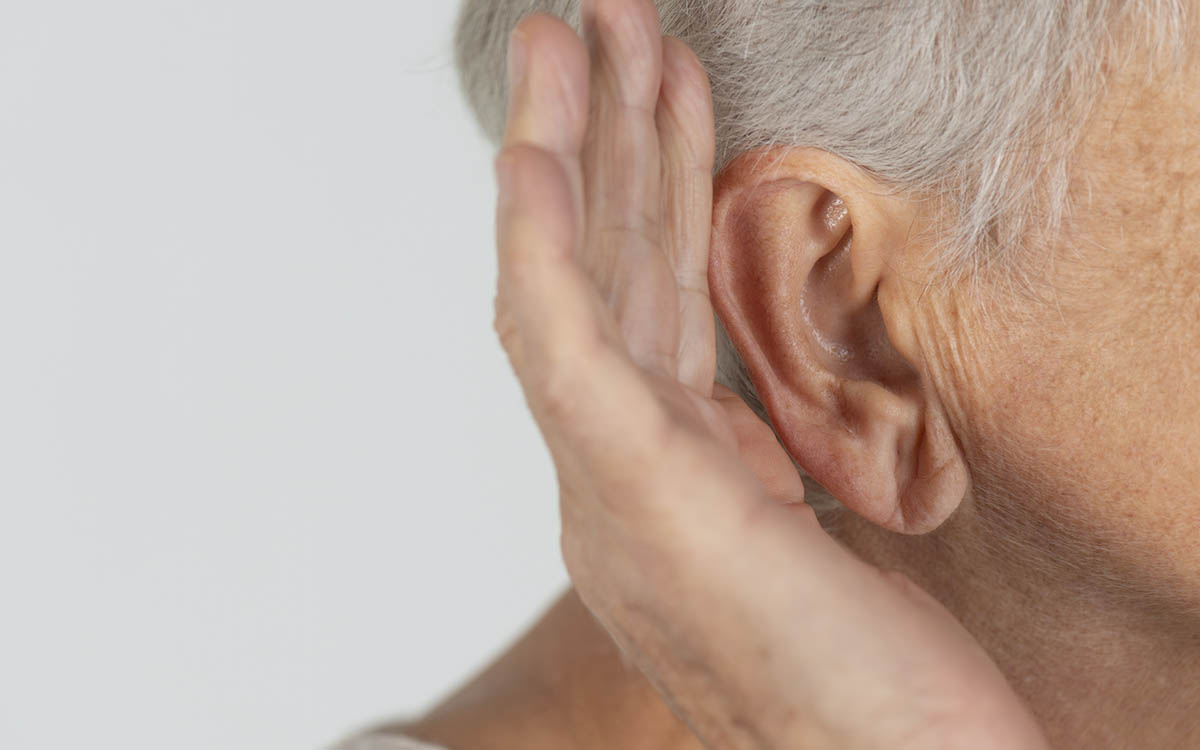
While many individuals correlate hearing loss with advancing age, though for a significant portion of the population, auditory trauma initiates much earlier in life. As one of the most prevalent and avoidable types of auditory impairment, noise-induced hearing loss typically progresses slowly, advancing subtly and remaining undiagnosed until the clinical effects are permanent.
Grasping the longitudinal impact of sound exposure on the auditory system facilitates proactive protection before substantial hearing loss manifests.
Identifying the Clinical Indicators of Noise-Related Hearing Loss
This form of hearing loss is precipitated by excessive acoustic energy damaging the fragile internal structures of the auditory system. Data from the CDC indicate that, sustained or frequent exposure to sounds exceeding 85 decibels, such as heavy traffic, can initiate auditory damage. Higher intensity sounds, including those generated by machinery, music venues, or firearms, may result in immediate damage.
Inside the inner ear are tiny sensory cells called hair cells. The function of these cells is to transduce mechanical vibrations into neural impulses for cerebral processing. Because hair cells cannot repair or replace themselves once damaged, hearing loss resulting from noise is generally a permanent physiological state.
Analyzing the Incremental Progression of Auditory Impairment
The insidious nature of noise-induced hearing loss is highlighted by its gradual developmental timeline. Early exposure may cause symptoms like:
- Short-term episodes of Tinnitus or buzzing within the ears
- A feeling of muffled hearing after loud events
- Reduced ability to distinguish vocal communication in loud surroundings
While these preliminary indicators may dissipate, this should not be mistaken for complete physiological recovery. Despite the lack of symptoms, persistent noise exposure causes cumulative injury to the ear, leading to a progressive decline in hearing resolution.
According to the hearing loss Association of America, nearly 48 million citizens live with hearing loss, often without recognizing the contributing factors.
Daily Sounds Linked to Auditory Injury
Modern society is characterized by high ambient noise, which frequently leads to a lack of awareness regarding sound intensity. As a result, many individuals remain unaware of the clinical prevalence of damaging noise exposure.
Typical noise-generating sources consist of:
- Professional music performances and concert environments
- High-volume output from personal listening equipment
- Industrial tools, lawn maintenance equipment, and motorcycles
- Workplace noise in construction, manufacturing, or warehouses
The everyday occurrence of these sounds allows for progressive damage to develop without obvious warning.
Prioritizing Prevention in Auditory Health
A distinguishing factor of noise-induced hearing loss is the lack of clinical reversal options. Despite its permanence, the condition is significantly preventable. Adopting straightforward preventative behaviors can markedly decrease the likelihood of injury, including:
- The application of earplugs or attenuation earmuffs in loud areas
- Limiting headphone decibels and implementing the 60/60 rule for safe listening
- Taking listening breaks to give your ears time to recover
- Arranging for routine Audiology assessments if noise exposure is frequent
Triggers for Professional Auditory Assessment
Should you experience persistent Tinnitus or a decline in conversational understanding, a professional evaluation is indicated. Early assessment is critical for monitoring, education, and the development of protective strategies to help preserve your hearing.
Protecting your ears today helps ensure clearer hearing tomorrow. Exposure to noise is frequent, yet hearing loss can be successfully avoided through proper care. Contact us to coordinate a comprehensive evaluation and ensure your auditory system is functioning at its peak.