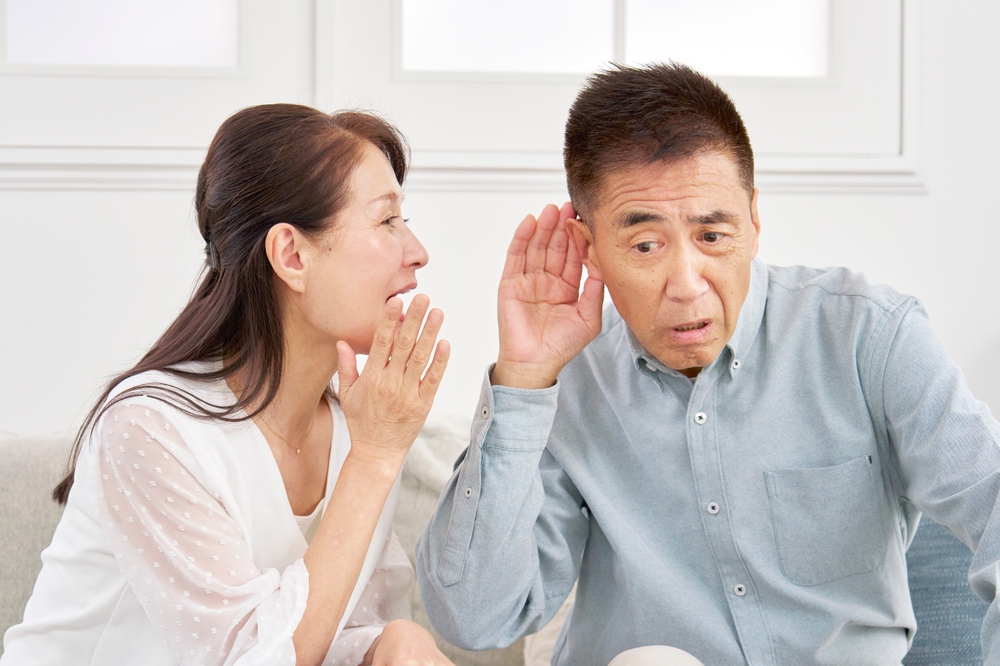
While auditory decline is statistically prevalent, pervasive misconceptions often deter individuals from pursuing clinical intervention. Early diagnostic accuracy is essential for anyone experiencing the onset of hearing loss. Adhering to standard hearing myths often leads to diagnostic delays and a measurable decline in life quality.
If you have concerns about your hearing, knowing the truth (and the myths!) can help you make informed decisions about your health and proceed with greater confidence. Let’s take a closer look at seven hearing loss myths that deserve to be clarified, along with the truths that put them in their place.
1. Myth: Only Older Adults Have Hearing Loss
While sensory shifts are frequent in seniors, hearing loss remains a cross-generational health concern. Auditory challenges in children and young adults often stem from noise pollution, heredity, or pharmaceutical side effects.
The “aging myth” frequently prevents young and middle-aged adults from pursuing an essential hearing test.
Myth: Hearing Perception Rules Out Impairment
An individual can suffer from hearing loss without experiencing a complete loss of sound. Patients with mid-range impairment often perceive environmental noise while losing the ability to decode complex speech. Between perfect hearing and total hearing loss is a wide spectrum of hearing challenges.
Common indicators include struggling with speech in noise, requesting repetition, or experiencing post-social cognitive fatigue. These are common early signs of hearing changes that should not be ignored.
Myth: Auditory Decline is a Low-Stakes Issue
The impact of aural decline reaches into the cognitive and emotional well-being of the patient. Research has linked unmanaged hearing loss to social withdrawal, increased stress, cognitive strain, and even a higher risk of depression.
Addressing hearing concerns early helps protect not only your ability to communicate, but also your overall well-being.
Do Hearing Aids Damage Your Natural Hearing?
There is no clinical evidence to suggest that proper use of hearing aids speeds up auditory decline.
Digital hearing aids are designed to protect and support the ear, not injure it. These devices use precision digital processing to target frequencies identified in your hearing test. Consistent use of hearing aids maintains the neural pathways required for clear sound interpretation.
Myth: All Hearing Aids are Bulky and Noticeable
Recent innovations in hearing science have prioritized both power and miniaturization. Modern hardware has reached a peak of efficiency, offering discrete aesthetics with high-fidelity sound. Patients can now choose custom-molded options that sit deep within the ear canal for total discretion.
These devices provide high-tech solutions like automatic environment sensing and hands-free calling functionality.
6. Myth: If My Hearing Loss Is Mild, I Don’t Need Treatment
Don’t underestimate “slight” hearing changes; they still disrupt the natural flow of information to the brain. Addressing loss early eliminates listening fatigue and protects against chronic mental exhaustion.
Maintaining communicative fluency is far easier when you address auditory shifts in their infancy.
Myth Seven: The Generic vs. Personalized Care Fallacy
While OTC options offer simple volume boosts, they cannot address the unique nuances of your ear health. A clinical hearing test allows an expert to program a solution specific to your biological requirements.
Personalized care makes a significant difference in both comfort and clarity.
Moving Beyond the Myths to Auditory Health
Feeling anxious about hearing changes is normal, but avoidance only exacerbates the underlying problem. But believing common myths about hearing loss can make symptoms more challenging over time. You’ll find that a hearing screening is a comfortable and highly enlightening clinical experience.
Should you perceive even minor shifts in your auditory acuity, a baseline exam is your most critical move. Intervening early is a proven strategy for maintaining a high standard of living through better hearing.
For more information or to book your next hearing test, please contact our clinic today. Our team is available for appointments: Call us today to protect your hearing.