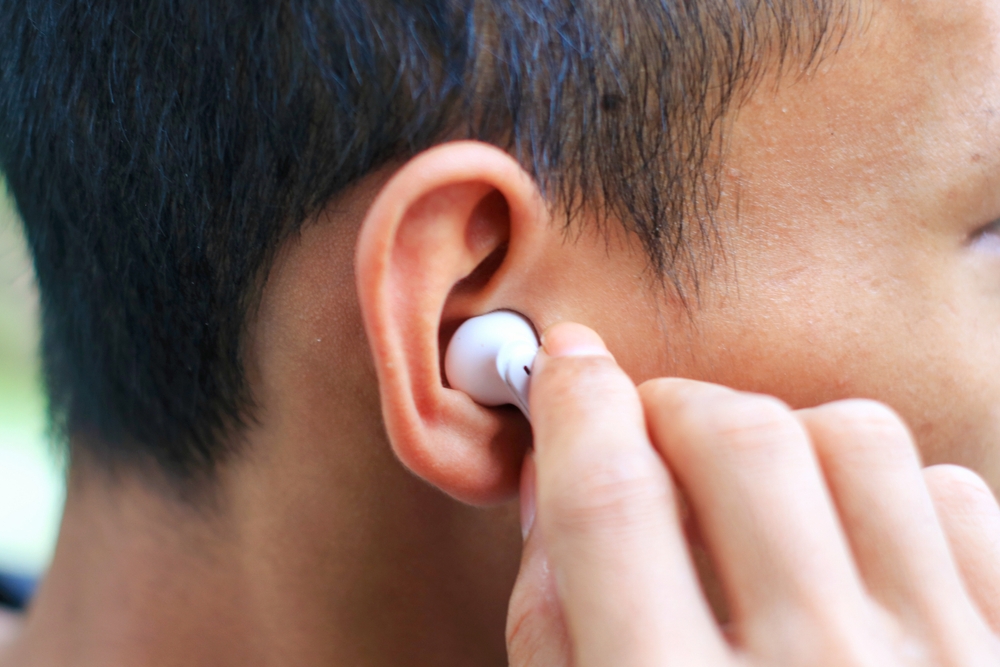
We seldom encounter a teenager or young adult who isn’t currently using a personal audio device. Though over-ear headphones are more bulky, the younger demographic still relies on them for environmental isolation. We all enjoy listening to music, no matter our age, but younger people rely on music to pass the time. Does the immediate physical closeness of these transducers to our ears result in measurable hearing loss? Ultimately, hearing health depends on the management of volume and duration rather than the device category.
Too Much of a Good Thing
Listening to music can be relaxing, soothe our souls, or wind us up. Depends on the music. Utilizing personal audio devices is considered a social courtesy, allowing for private enjoyment in communal spaces. That’s a positive thing, and most people will tell you that they are grateful and prefer that on a train or bus.
The essential inquiry remains: at what decibel level and timeframe does listening become dangerous? The truth is, loud noise in general is damaging to your ears and your hearing. Combining high-intensity sound with extended exposure times can lead to permanent sensorineural damage. The onset of **Noise-Induced Hearing Loss** is insidious, meaning significant damage often precedes clinical awareness.
Identifying the Critical Risks of Personal Audio
The intensity of the decibels is the leading risk factor for permanent auditory trauma. Despite this, the cumulative hours of exposure are just as dangerous as a single loud blast.
- The National Institutes of Health advises that sounds under 70 decibels are generally safe for the human ear.
- Louder noises will cause hearing damage faster than quieter sounds.
- Audiologists recommend the 60/60 rule: stay below 60% of max volume and limit sessions to one hour.
- You can safeguard your auditory health by reducing device intensity and monitoring your cumulative daily usage.
Red Flags: When to Suspect Hearing Impairment
Common indicators such as “ringing” in the ears and a recurring inability to understand speech in loud rooms warrant an immediate specialist consultation.
If you suspect a decline in your hearing, contact our office to begin a professional diagnostic process.