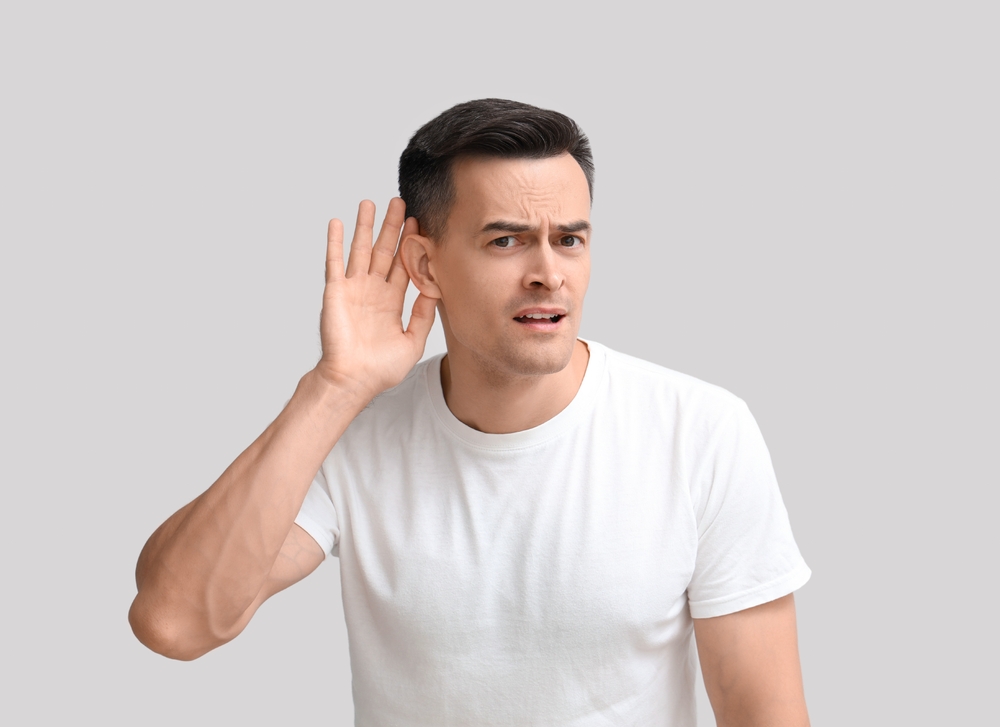
Do you often experience profound mental depletion following extended dialogue or crowded social events?
It is easy to misattribute this fatigue to general stress, lack of sleep, or sensory overload. And it’s true that for introverts or people with sensory issues, social situations can be exhausting. However, in many clinical scenarios, the underlying driver is a neurological phenomenon known as auditory fatigue.
Essentially, auditory fatigue is the result of the brain over-functioning to compensate for poor sound quality. The brain’s attempt to reconstruct incomplete audio data requires an immense amount of “processing power” and neural energy. This persistent neurological demand inevitably results in deep mental and emotional burnout.
It is common for patients to conflate auditory fatigue with general daily exhaustion. In many cases, persistent fatigue serves as a diagnostic “red flag” for early-onset hearing impairment. A professional diagnostic evaluation is necessary to confirm if hearing loss is the root cause of your exhaustion. Persistent patterns of post-social exhaustion warrant a discussion regarding the impact of hearing loss.
The Physiological Triggers of Auditory Fatigue
Various stressors can overtax the auditory cortex, leading directly to the onset of auditory fatigue.
The Hidden Cost of Ignoring Hearing Loss
Failing to address hearing loss is a major factor in the development of persistent auditory fatigue.
If the peripheral auditory system fails to deliver clear data, the brain must use context clues to guess the missing information. This perpetual state of “phonemic guessing” elevates cognitive load and triggers rapid burnout during dialogue.
Auditory Fatigue in Social Settings
High-noise environments significantly exacerbate the symptoms of auditory fatigue. Settings like busy cafes or group discussions often present a low signal-to-noise ratio that obscures speech.
Processing concurrent audio streams requires the brain to perform intense “auditory scene analysis” to find the primary speaker. The resulting cognitive overload is particularly severe for those managing even marginal degrees of hearing loss.
Tinnitus and Sound Distortion
Chronic tinnitus compounds listening effort as the brain struggles to ignore internal noise while focusing on external speech.
Degraded signal quality resulting from hearing loss forces the auditory cortex into an inefficient processing loop.
Clinical Red Flags for Auditory Fatigue
Auditory fatigue can affect both mental focus and overall energy levels. Common signs include:
- Experience of deep cognitive depletion following verbal interaction
- Reduced focus during professional or social group settings
- Physical head pain triggered by extended periods of listening effort
- Irritability or frustration in social settings
- Withdrawing from conversations or social events
- Needing a nap or quiet time after social interaction
If these symptoms occur frequently, it may indicate that your ears and brain are working harder than they should.
The Neurology of Effortful Listening
When hearing is clear, the brain can process speech almost effortlessly. Conversely, hearing loss forces the brain to redirect energy from other executive functions to assist in sound decoding.
This state of over-exertion is technically referred to as an elevated cognitive load. It’s where the brain redirects energy from other tasks (like memory and focus) to figure out what someone is saying. Sustained energy redirection eventually results in a state of total mental insolvency. Under these conditions, even brief interactions demand an unnatural level of mental focus.
Diagnosing the Source of Your Fatigue
A formal auditory screening is the most effective way to determine why you feel so drained. The evaluation process includes mapping your hearing range and measuring your speech discrimination accuracy. Specialized “speech-in-noise” testing is often used to uncover deficits that are invisible during standard quiet-room exams.
A comprehensive hearing test can determine whether hearing loss is contributing to your fatigue and help guide the next steps for treatment. Identifying hearing changes early allows treatment to begin sooner, helping reduce listening strain before it begins affecting daily activities and social interactions.
How Hearing Treatment Reduces Listening Effort
Treating hearing loss can significantly minimize listening fatigue.
High-tech hearing aids do the “heavy lifting” for the brain by isolating and clarifying voices in real-time. This allows the brain to receive clearer signals without constantly trying to fill in missing sounds.
Once auditory strain is reduced, the following areas often show significant improvement:
- General energy levels from morning to evening
- Focus during conversations
- Feeling relaxed and confident in noisy environments
As the brain stops struggling to hear, the world of sound becomes a source of joy rather than a source of stress.
Recognizing the Right Moment for a Hearing Test
A professional screening is recommended if you identify with these patterns:
- You experience burnout after standard verbal interaction
- You are increasingly told that you are missing parts of the conversation
- You find yourself “guessing” at words in loud settings
- Social withdrawal is becoming your default response to difficult acoustics
Resolving these issues today ensures a higher standard of living and better cognitive health for the future.
Common Inquiries Regarding Listening Effort
Distinguishing Between Exhaustion and Impairment
No. Auditory fatigue refers to the mental exhaustion caused by intense listening effort. That said, hearing loss remains the primary catalyst for chronic listening burnout.
Do Hearing Aids Help with Exhaustion?
Absolutely; by cleaning up the acoustic signal, modern devices take the processing load off the brain.
Can Auditory Fatigue Be Cured?
Typically, this fatigue is transient and resolves once the auditory system is supported by clinical care.
Say Goodbye to Post-Conversation Burnout
Daily dialogue should not be a source of profound cognitive depletion. Feeling “wiped” after a party is a signal that your brain is struggling to manage its cognitive load.
Schedule your hearing test today by contacting us today. Empowerment, confidence, and peace of mind start with understanding what’s happening with your hearing.