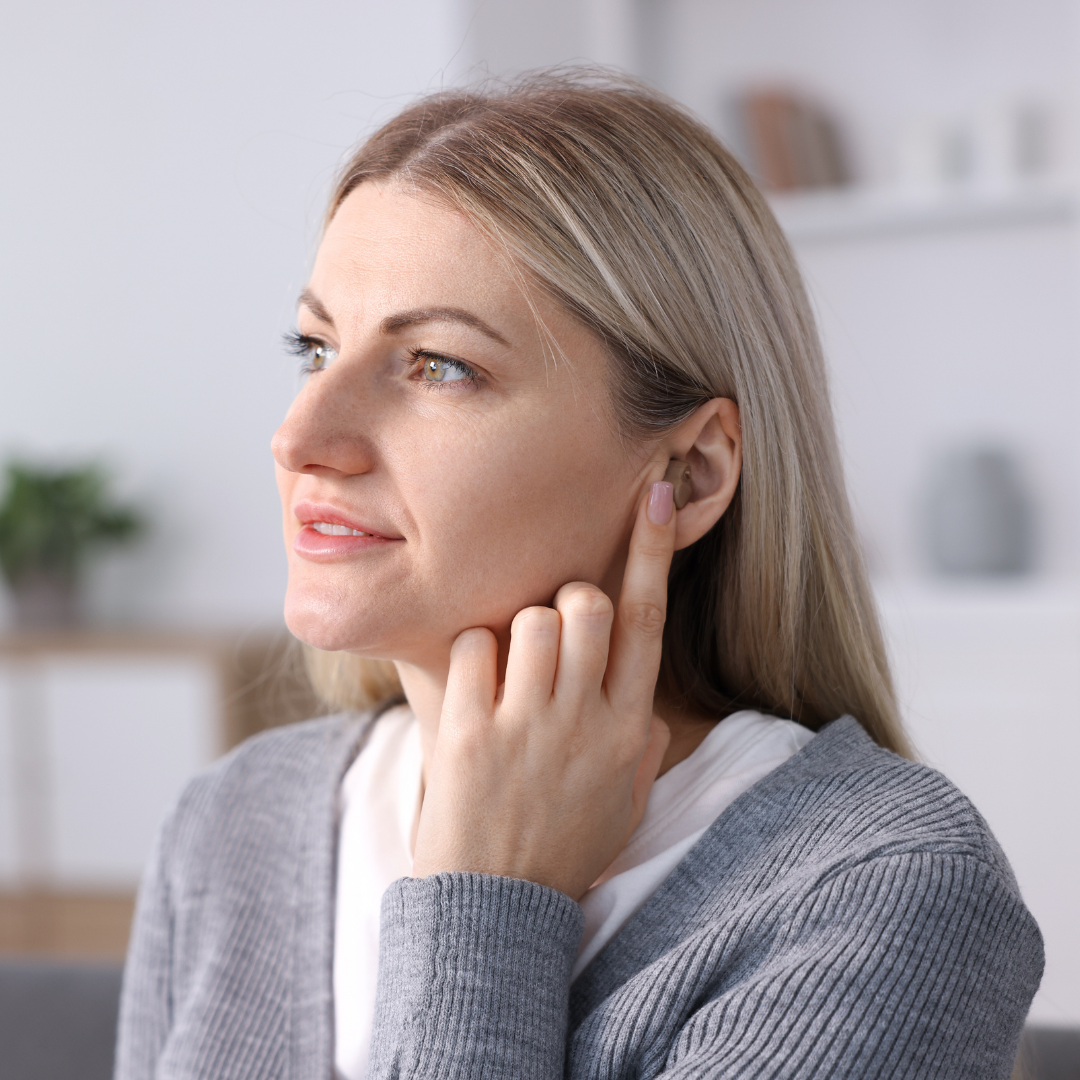
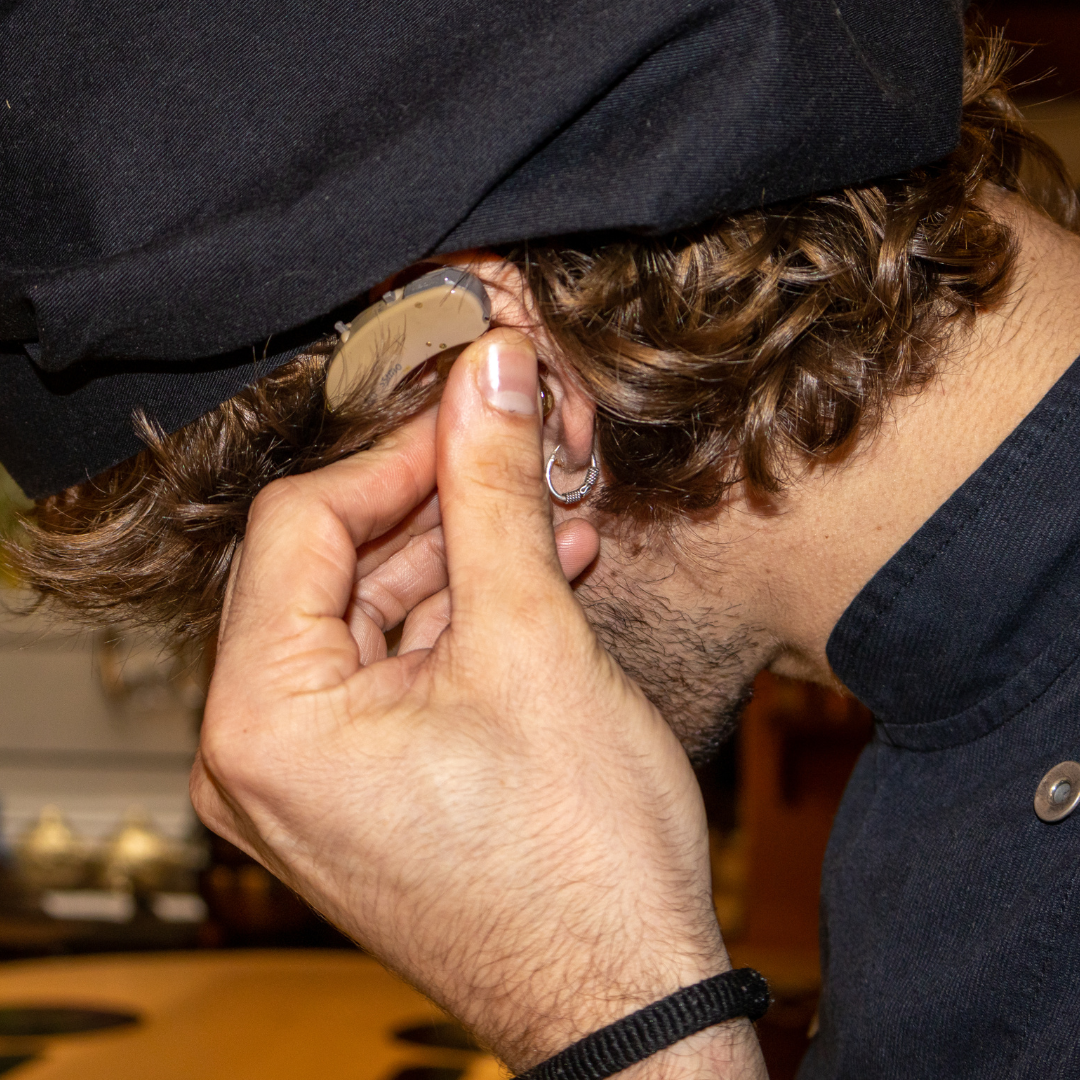
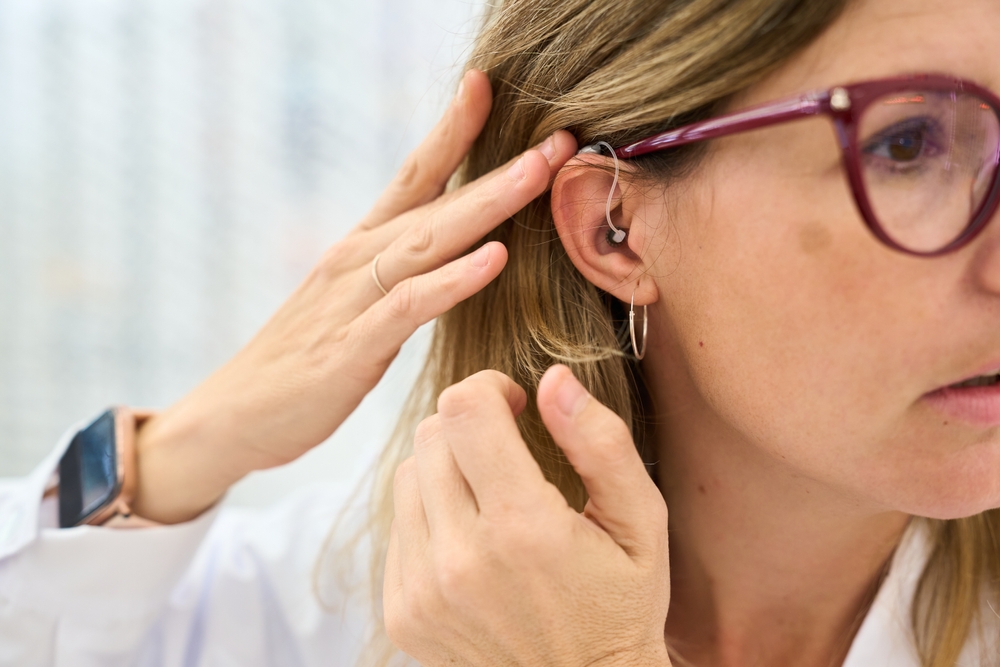
An unexpected, piercing whistle emitted by a hearing aid can arise abruptly, causing major irritation and cognitive distraction until resolved. We provide specialized diagnostic testing to establish whether whistling originates from ear canal fit, earwax occlusion, incorrect settings, damaged accessories, or internal circuitry issues. Review common feedback mechanisms alongside safe at-home maintenance steps to eliminate […]
Following dinner conversations becomes challenging when high ambient noise interferes with your focus and hearing. Our clinical team can evaluate hearing across quiet settings and background-noise environments to pinpoint specific auditory challenges. After uncovering the precise factors driving your difficult hearing, our team helps you select individualized auditory solutions. Why Do I Hear Well in […]
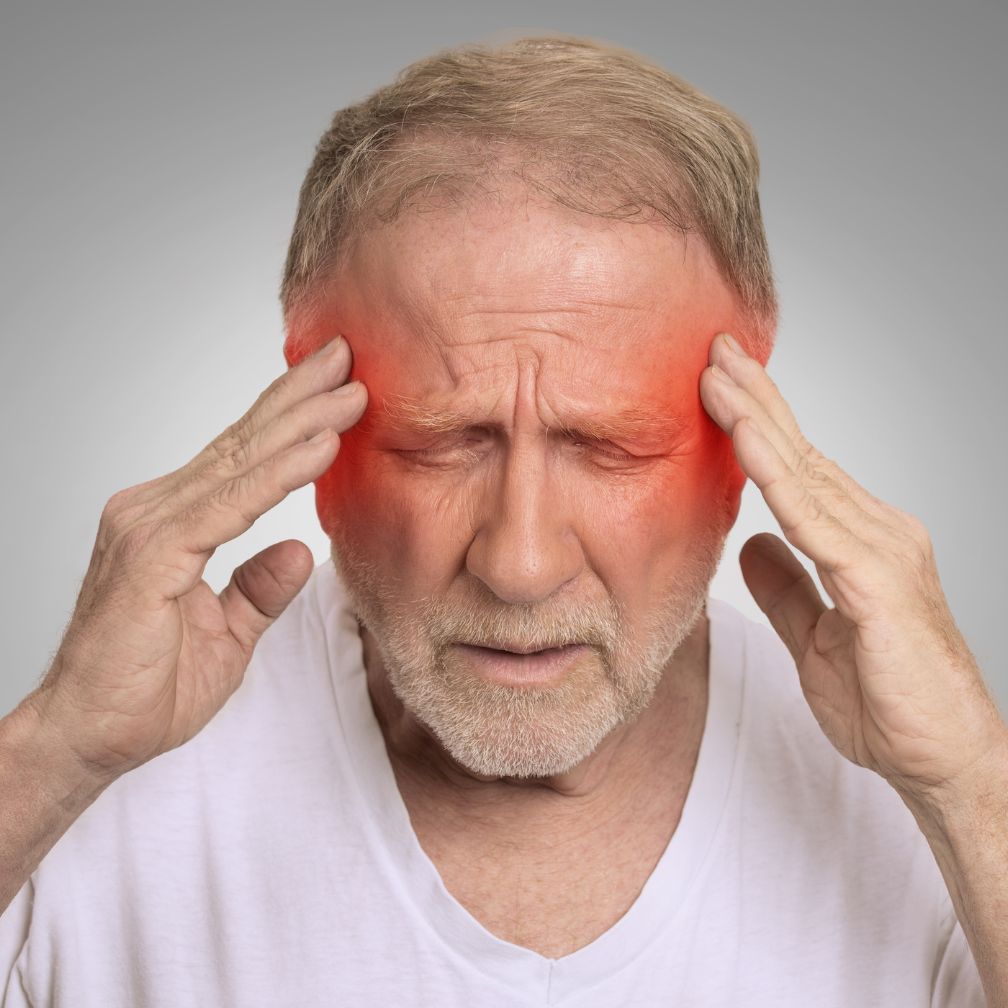
Modern hearing aids aim to effectively treat your individual hearing loss profile. Whether you are new to wearing hearing aids or have been wearing them for years, if your hearing aids cause headaches or any other type of pain, there is a solution. An accurately calibrated hearing aid should rest comfortably inside your ear canal […]
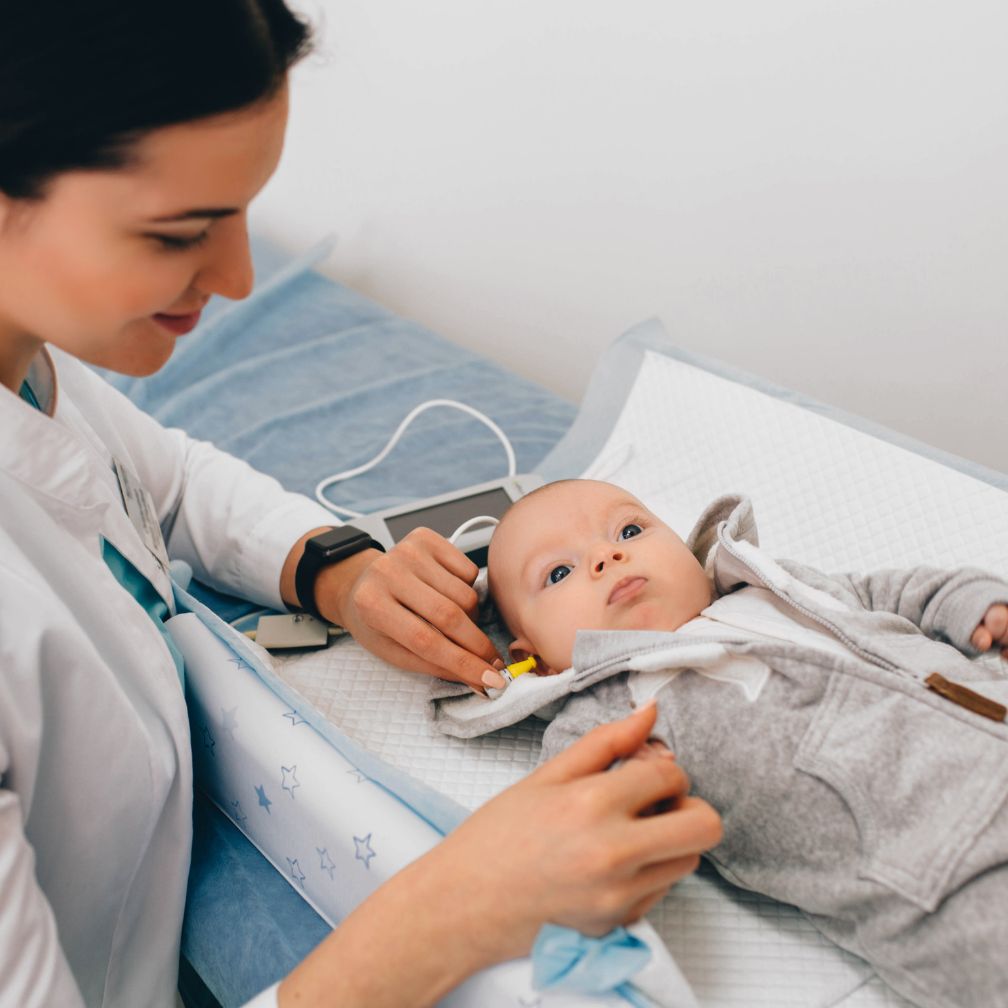
For mothers and fathers with newborns, learning that their baby has hearing loss will feel overwhelming and disheartening. Yet the optimistic truth is that via rapid screening and support, young children facing auditory deficits routinely attain profound developmental success. Beyond question, such babies can gain verbal communication, expressive ability, and strong bonds within their surroundings, […]
Perhaps you are already aware that floppy-eared canines navigate sound environments with less acoustic acuity than those with erect, triangular ears. It should come as no surprise that cats, dogs, and hamsters can dynamically rotate their pinnae to sharpen their acoustic focus on sounds originating from the front, flanks, or behind. However, these domesticated animals […]
You love your car. While you would never surrender the absolute sense of freedom experienced behind the wheel, it is vital to consider whether your car is actively degrading your hearing mechanisms. Below, we explore the primary pathways of vehicle-related hearing loss alongside effortless preventative adjustments to protect your physical baseline. Convertibles: Assessing High-Velocity Wind […]
What’s that strange noise that kind of sounds like white noise, or wind in your ears? Why can’t anyone else hear it? Rest assured, this physical perception is definitely not a product of your imagination. Fortunately, your symptoms do not point to “phantom ring syndrome,” a psychological habit among heavy smartphone users who mistakenly believe […]
After enduring a long, exhausting schedule, crawling into bed for restful slumber is all you want. As you lay your head on the pillow and your surroundings go completely still, that familiar aural ringing instantly becomes impossible to tune out. If nocturnal ringing feels magnified compared to daytime levels, you are definitely not misinterpreting your […]
A primary reason individuals put off addressing auditory deficits is the assumption that assistive devices will be unsightly or awkward to wear. And that’s completely understandable! Regrettably, some people even experienced social alienation because acquaintances falsely assumed that wearing a visible aid signaled a complete inability to comprehend spoken dialogue. This obsolete perception remains deeply […]
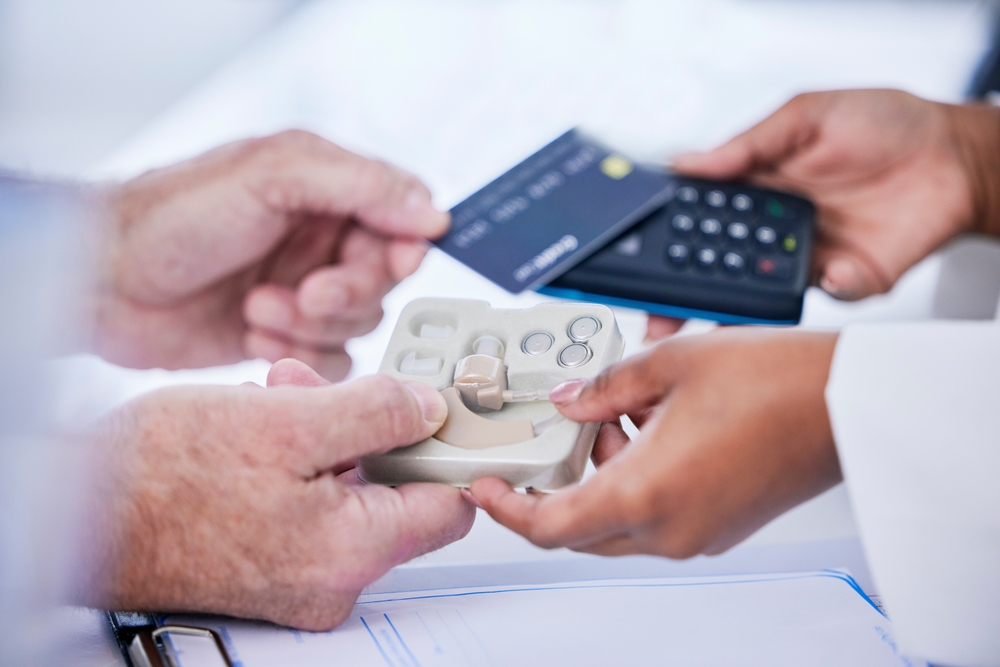
When exploring treatment options for age-related hearing loss or presbycusis, the initial clinical cost of amplification devices can be striking. Depending on the technology and level of care involved, modern hearing aids can range from a few hundred dollars to several thousand. For many patients, this sudden realization can cause hesitation and create an artificial […]